High-temperature plants put a lot of stress on piping. Constant heat, pressure swings, expansion and contraction, it all adds up over time. If you use the wrong material, you might end up dealing with cracks, leaks, or an unexpected shutdown. That’s the reason Alloy Steel Pipes and Alloy Steel Piping get chosen so often for these setups. They hold up under heat in a way plain carbon steel doesn’t.
What are Alloy Steel Pipes?
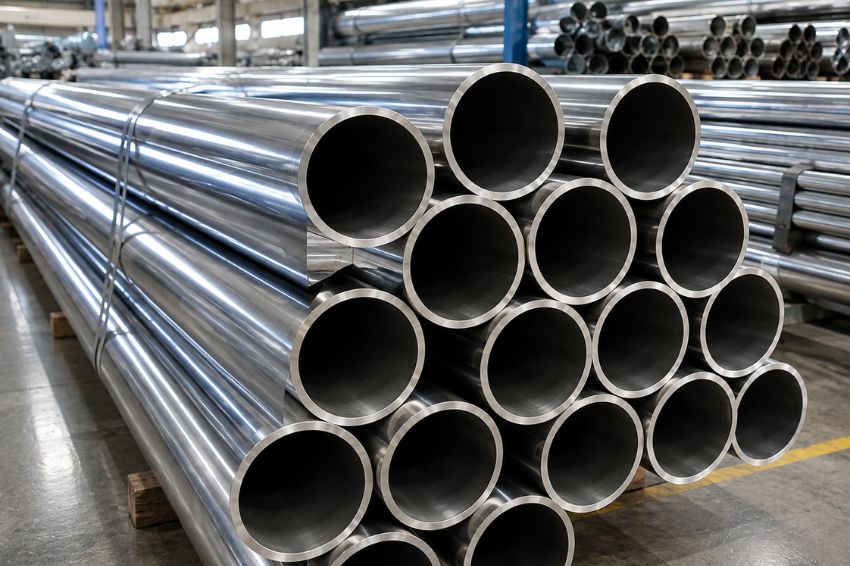
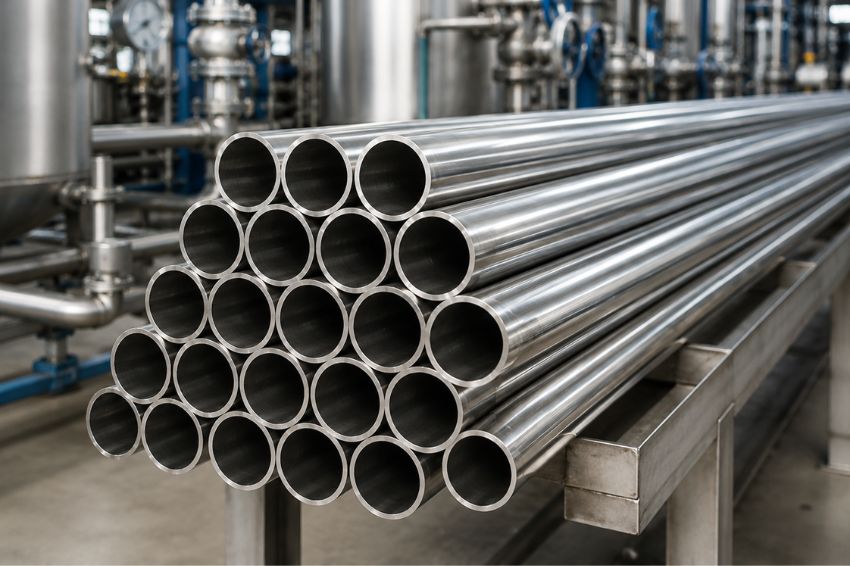
These are Alloy steel pipes with added elements like chromium, molybdenum, nickel or vanadium mixed in during manufacturing. The mix changes how the pipe behaves under stress and heat. Alloy Steel Piping is used where temperatures and pressures go beyond what standard carbon steel pipe can take without failing. That’s the basic idea behind it.
Why Material Selection is Important in High-Temperature Industries
Plants running at high temperatures deal with heat, pressure, thermal expansion and oxidation all at once, sometimes for years without a break. Selecting the wrong pipe material can lead to faster-than-expected failures. Cracking, warping, premature failure. Alloy steel tends to hold up better across these conditions, which is why it gets specified so often for critical lines.
Why Alloy Steel Pipes are Used in High-Temperature Industries
Excellent Strength at Elevated Temperatures
Alloy Steel Pipes don’t lose much strength even after long periods at high operating temperatures. The pipe stays intact where other materials would start to give way.
Good Resistance to Heat, Oxidation, and Creep
The added elements help resist oxidation and slow down creep, which is the gradual deformation that happens under sustained heat. Creep failure is slow and easy to miss until it’s a real problem, so this resistance matters more than people realise.
Suitable for High-Pressure Process Systems
Heat isn’t usually the only factor. Most of these plants run high pressure too. Alloy Steel Piping is built to take both at once without cutting corners on safety.
Long Service Life with Reduced Maintenance
Pipes that last longer mean fewer shutdowns for repairs and fewer replacement costs down the line. This adds up over the life of a plant.
Performs Well in Demanding Industrial Environments
Heat, pressure and mechanical stress rarely show up one at a time in these plants, they come together. Alloy steel pipe is built with that in mind, which is why it ends up in the critical lines.
Common Applications of Alloy Steel Piping in High-Temperature Industries
Alloy Steel Pipes are commonly used in:
- Thermal power plants
- Boiler and steam piping systems
- Petrochemical and refinery plants
- Chemical processing industries
- Heat exchangers and superheaters
- Industrial furnace and process heating systems
Key Properties That Make Alloy Steel Pipes Suitable for High-Temperature Service
- Holds strength at high temperature
- Handles pressure well
- Resists oxidation
- Better creep resistance
- Long service life in tough conditions
- Steady mechanical performance under thermal stress
Conclusion
Alloy Steel Pipes and Alloy Steel Piping are used across high-temperature industries for a simple reason, they hold up where other materials don’t. Between the heat resistance, the pressure handling and the longer service life, they end up being the safer bet for critical piping systems. Piyush Steel Pipes has been manufacturing and supplying high-quality Alloy Steel pipes since 1983. Contact us with your specifications and our team will revert with a quotation as soon as possible.