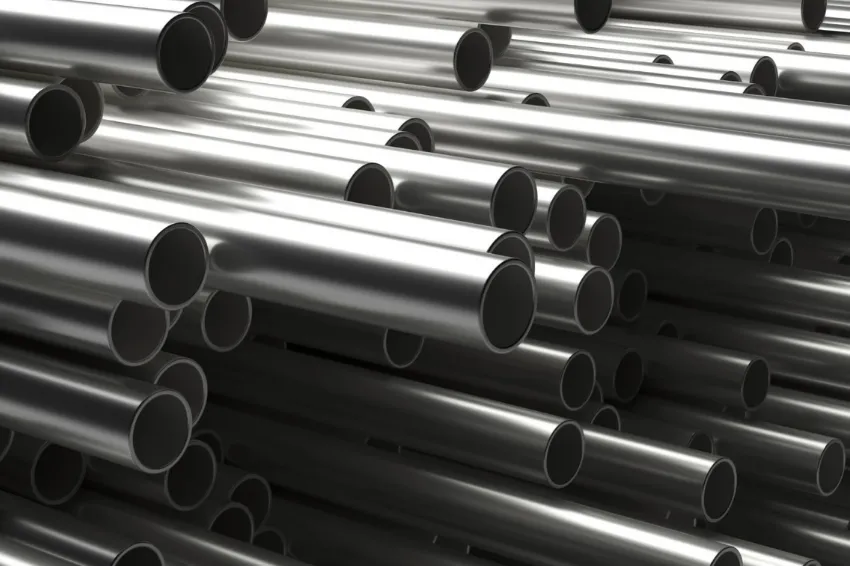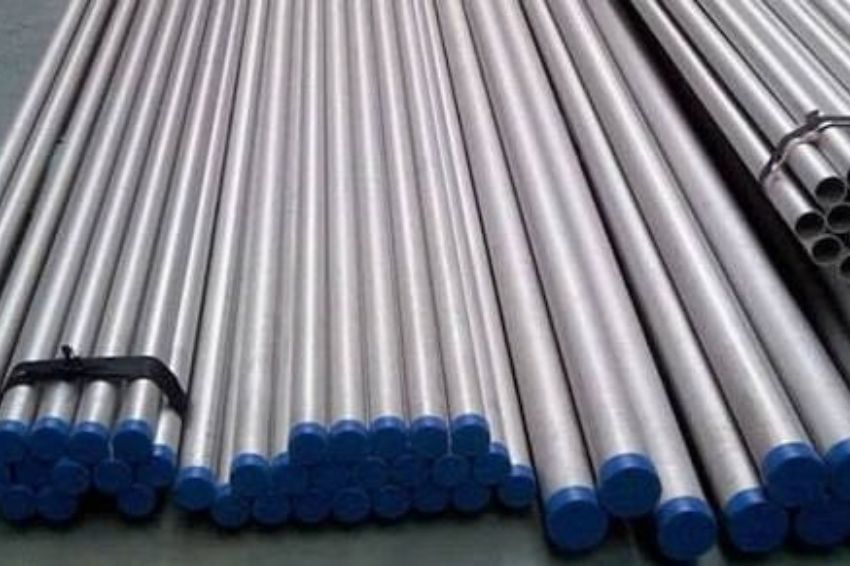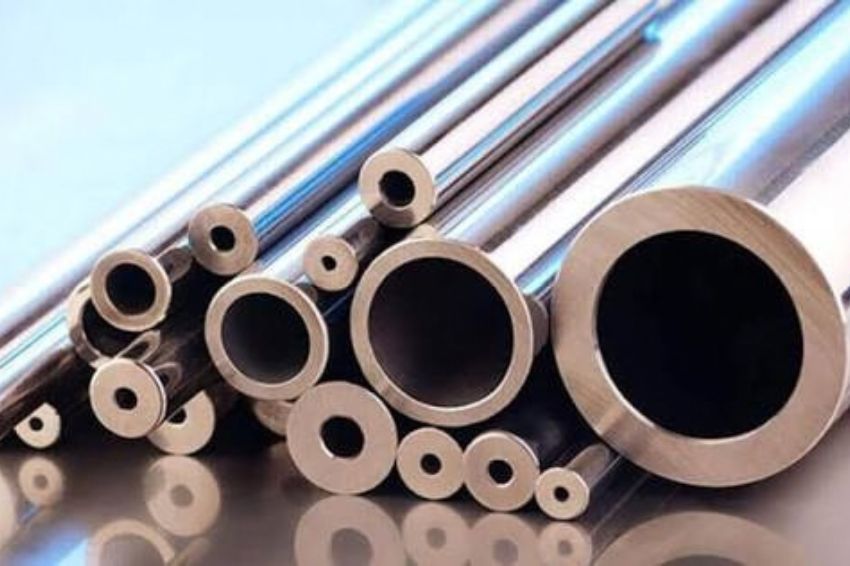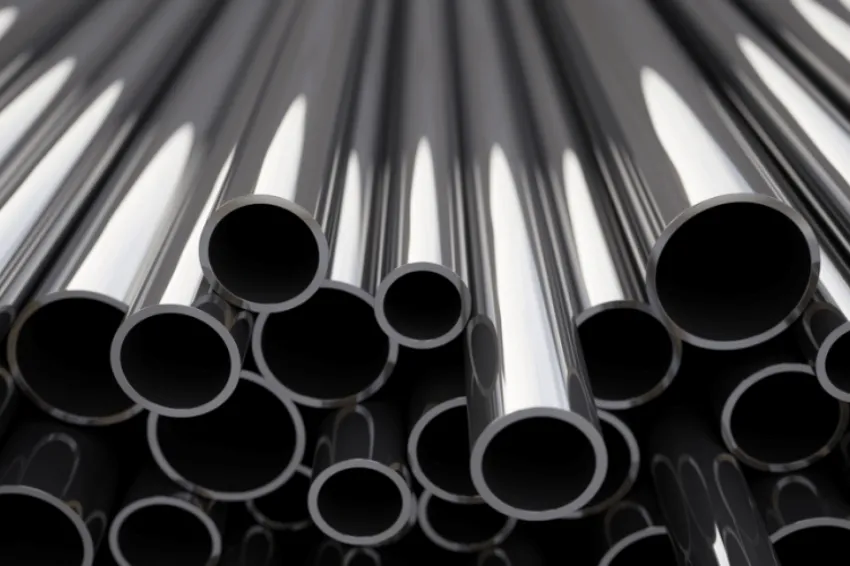
Stainless steel pipes carry liquids, gases, steam and process materials through chemical plants, refineries, food and pharmaceutical facilities, power stations, water treatment works and manufacturing units. The material holds up where carbon steel corrodes or scales. Corrosion resistance, tensile strength, service life and temperature tolerance decide where each grade fits. This blog discusses the common uses of stainless steel pipes for industrial applications, sector by sector, and the conditions that govern grade selection.
Stainless Steel Pipes in Chemical Processing
Within chemical plants, stainless steel pipes serve acid transfer lines, solvent circuits, reactor feed and discharge headers, and effluent systems. Grade choice follows the medium. Type 316L holds up in dilute sulphuric and phosphoric acid at ambient temperature, while 317L and 904L cope with higher concentrations and warmer service. Chlorides change the calculation: austenitic grades crack under tensile stress above roughly 60°C, so duplex 2205 replaces them in brine-bearing lines. Concentration, operating temperature and residence time all feed into the final selection.
Applications in Oil and Gas Industries
Refineries, gas processing trains and offshore platforms use stainless steel pipes wherever hydrocarbons carry water, CO2 or hydrogen sulphide, and where carbon steel corrodes too fast.
- Process and transfer lines: crude fractions, condensate and produced water run through ASTM A312 austenitic or A790 duplex pipe, sized to the pressure class.
- Instrument and utility connections: small-bore 316L lines feed hydraulic and sampling points.
- Sour service: NACE MR0175 limits grade and hardness wherever H2S is present.
- Flare and drain headers: cyclic thermal duty favours stabilised grades such as 321.
Stainless Steel Pipes in Food and Pharmaceutical Processing
Hygiene determines the choice in food, beverage and pharmaceutical processing, where stainless steel pipes carry product, utilities and clean steam. Type 316L is the working grade on product-contact lines. Mechanically polished internal surfaces reach 0.8 µm Ra, and electropolishing takes the finish below 0.4 µm, which limits the crevices where bacteria settle. ASTM A270 and ASME BPE govern dimensions, finish and weld quality on hygienic lines. Clean-in-place chemistry, steam sterilisation cycles and product acidity narrow the grade and finish specification further.
Use in Power Plants and Heat Transfer Systems
Power stations run stainless steel pipes on feedwater, condensate, cooling water and superheater circuits. Stabilised grades 321H and 347H hold creep strength above 550°C and resist carbide precipitation in weld heat-affected zones. Cooling and condenser circuits invert that problem. Water chemistry, sets the limit there, and a stainless steel pipe supplier holding both A213 and A312 ranges can cover the two duties within one plant. Design temperature, pressure class and water quality decide the grade.
Applications in Water Treatment and Desalination
In water treatment and desalination plants, stainless steel pipes handle raw water, treated water, backwash and brine duty, where chloride concentration drives the grade decision.
- Potable and treated water mains: 304L and 316L suit low-chloride supply.
- Filtration and dosing skids: 316L handles chlorine and hypochlorite dosing lines.
- Seawater and brine duty: super duplex 2507 resists pitting above 10,000 ppm chlorides.
- Reject and outfall lines: duplex 2205 covers intermediate chloride levels.
Stainless Steel Pipes in Construction and Manufacturing
Manufacturing plants use stainless steel pipes in process skids, equipment frames, compressed air and hydraulic lines, and structural supports inside wash-down areas. Fabrication behaviour matters as much as corrosion data. The 300 series welds, bends and threads without preheat, so fabricators build headers and jigs from standard schedules. Piyush Steel supplies stainless steel pipes for industrial applications across these sectors in seamless and welded form. Wall thickness follows the load and pressure the line actually sees.
Factors to Consider When Selecting Stainless Steel Pipes
Specifying stainless steel pipes for industrial applications depends on the service conditions the line will see. Six factors carry the decision. Understanding the key things to consider when selecting SS pipes helps ensure the pipes meet the project’s performance, safety, and durability requirements.
- Stainless steel grade matched to the medium
- Pipe diameter and wall thickness against flow and pressure
- Operating pressure and temperature, including upset conditions
- Corrosion exposure, internal and external
- Seamless or welded construction
- Applicable standards and specifications, such as ASTM A312 or A790
Conclusion
Chemical processing, oil and gas, food and pharmaceutical production, power generation, water treatment and manufacturing all rely on stainless steel pipes for corrosion resistance, strength and service life. Those properties don’t hold unless the specification fits the duty. Confirm the grade, standard, dimensions and construction against actual operating conditions before release.