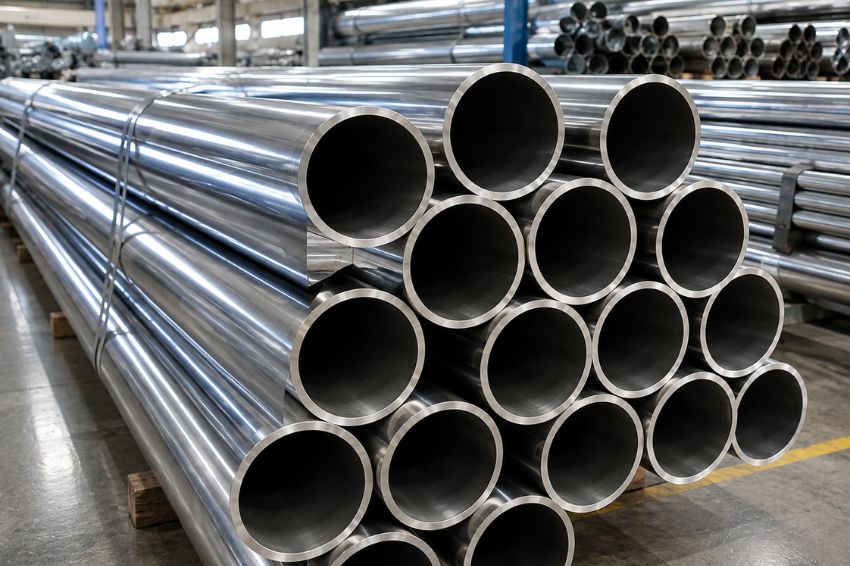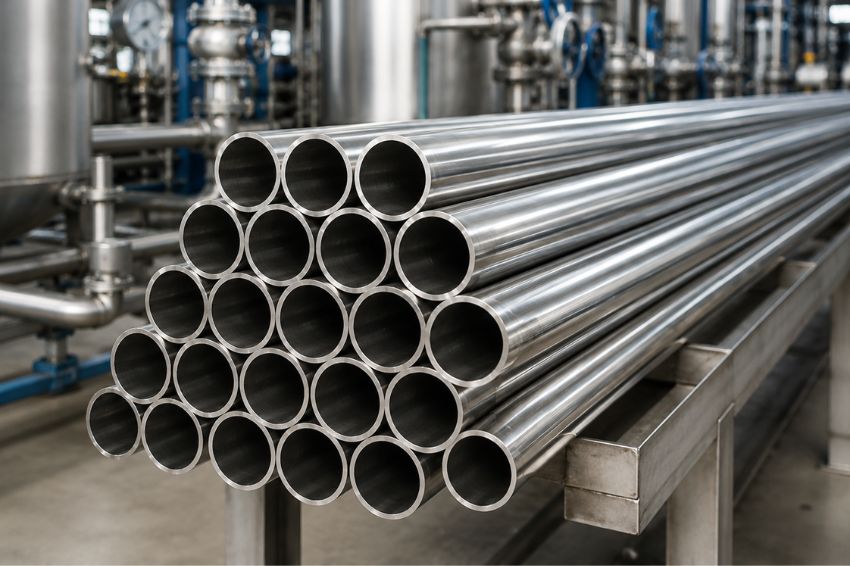
Stainless steel piping carries corrosive chemicals, pressurised steam and process fluids across industrial plants every day, and one wrong specification can shut a line down for hours. Corrosion resistance, strength, temperature, pressure rating and expected service life change from project to project. A mismatched pipe raises maintenance costs and threatens reliability long before it fails outright. Choosing the right Stainless Steel Pipe for industrial applications means matching the specification to actual operating conditions.
Why Appropriate Stainless Steel Pipe Selection Matters
Piping system reliability depends on more than just material grade. Corrosion resistance, safe fluid flow and long-term performance all depend on choosing a pipe that fits the process exactly. Poor selection increases inspection frequency and raises the total cost of ownership.
Consider the Industrial Application
The application determines which material properties and pipe specifications actually matter for a given line.
- Chemical processing lines need pipes resistant to acids, alkalis and solvents at varying concentrations.
- Oil and gas systems demand pressure-rated pipes capable of handling sour service and high-temperature flow.
- Food processing equipment requires smooth, easily cleaned bores that meet hygiene standards.
- Pharmaceutical systems call for high-purity finishes and strict traceability documentation.
- Pipes in water treatment plants must withstand chloride attack from treated and raw waters.
- Power generation facilities require pipes rated for high-pressure steam and thermal cycling.
- General industrial piping covers compressed air, utility water and low-pressure transfer lines.
Before the procurement process commences, it may be advantageous to collaborate with an experienced stainless steel pipe supplier to ensure that the appropriate grade is selected for the appropriate service.
Select the Appropriate Stainless Steel Grade
The grade is chosen based on corrosion resistance, mechanical strength, chemical exposure and fabrication demands. Grade 304 can be used in general corrosive atmospheres and at moderate temperatures. Grade 316 is suitable for exposure to chlorides and aggressive chemicals. The right grade balances these things against the specific process, not the usual choice.
Evaluate Operating Temperature and Pressure
Maximum and minimum operating temperatures, internal pressure and pressure fluctuations affect how a pipe performs over its service life. Temperature swings change material strength and accelerate fatigue in welded joints. Pressure spikes demand wall thickness calculated with a safety margin rather than a minimum rating. These two variables dictate the schedule a system actually needs.
Check Pipe Size, Wall Thickness, and Dimensions
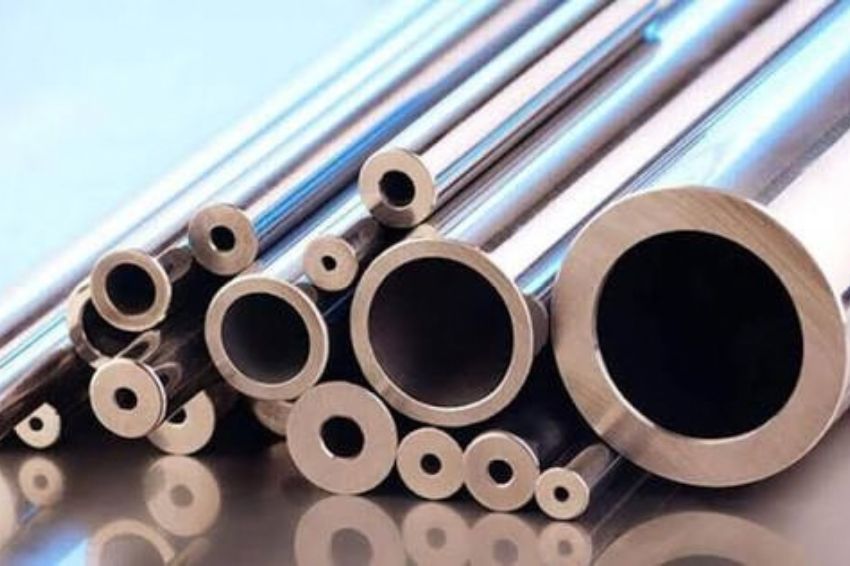
Outside diameter, nominal pipe size, wall thickness and length must all match the piping system design.
- Outside diameter and NPS determine fit with existing fittings and flanges.
- Wall thickness affects pressure rating and corrosion allowance over the service life.
- Flow requirements dictate the minimum bore size for the expected throughput.
- Connection type must suit the installation method, whether welded, threaded or flanged.
Consider Corrosion and Process Conditions
Moisture, chlorides, aggressive chemicals, acids, alkaline media and outdoor exposure all influence which grade and finish will last. A pipe rated for indoor, low-humidity service corrodes faster once exposed to coastal air or chloride runoff. Understanding the real environment prevents premature failure and unplanned shutdowns.
Choose Between Seamless and Welded Pipes
Seamless pipes have no weld joint and can handle higher pressure with fewer inspections. Welded pipes come in more sizes and usually have shorter lead times. The choice depends on pressure requirements, application demands and the sizes a project needs. Neither option is universally better; the decision should follow the project specification.
Verify Standards, Testing, and Certification
Certification confirms that a pipe meets the mechanical and chemical requirements a project depends on.
- Applicable ASTM and ASME standards define the baseline specification for the grade.
- Material certificates confirm each batch’s heat number and chemical composition.
- Chemical tests confirm the alloy is the same as the ordered grade.
- Mechanical tests are performed to verify the tensile strength, yield strength and elongation are within the required limits.
- Dimensional inspection checks diameter, wall thickness and length against tolerance.
- Traceability associates each pipe with its mill certificate and batch.
- Audits and regulatory compliance on the critical projects are supported with documentation.
Consider Installation, Maintenance, and Service Life
Installation requirements, accessibility for maintenance and expected operating life all factor into the total project cost. A pipe run installed without service access adds hours to every future inspection. A pipe chosen for easy installation but difficult maintenance often costs more over time than one selected with access in mind.
Common Mistakes to Avoid When Selecting SS Pipes
Most piping failures trace back to a handful of avoidable errors made during specification rather than material defects.
- Choosing only by price.
- Selecting the wrong grade for the process.
- Ignoring corrosion conditions specific to the site.
- Overlooking pressure and temperature fluctuations.
- Choosing incorrect dimensions for the flow is required.
- Ignoring applicable standards.
- Failing to verify certification before installation.
Conclusion
Selecting the right stainless steel pipe means weighing application, grade, pressure, temperature, dimensions, corrosion conditions, construction type and certification together, not in isolation. Piyush Steel manufactures and supplies seamless, welded, ERW and EFW stainless steel pipes and tubes, certified under ISO 9001, ISO 14001, ISO 45001 and PED. Matching the specification to actual operating conditions remains the only reliable way to secure long-term performance.