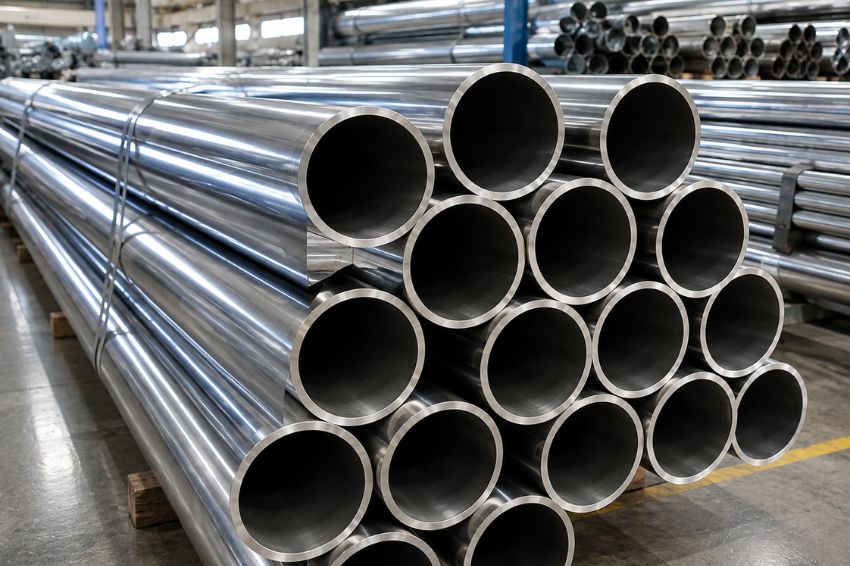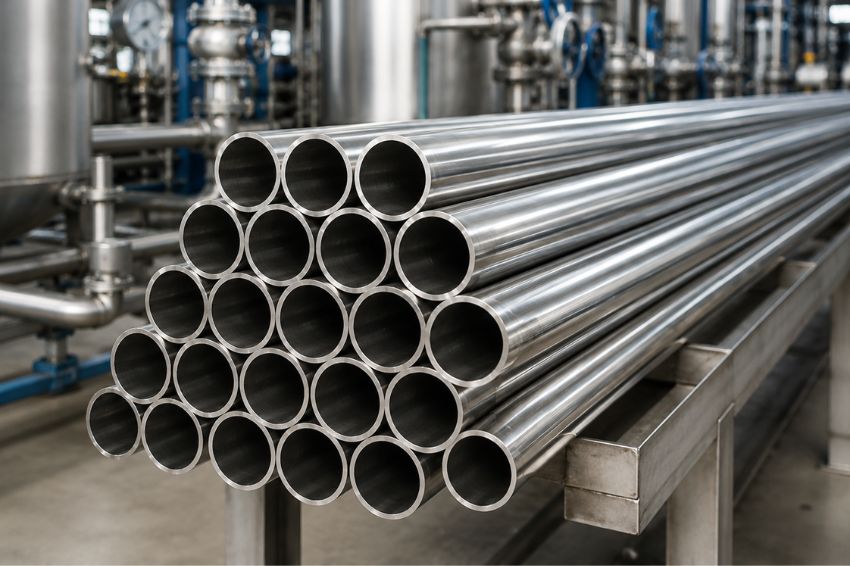
If you work with heat exchangers, condensers or boilers, you have probably come across both ASTM SA179 and ASTM SA210. Both are seamless carbon steel tubes. Both get used in heat transfer and pressure systems. But they are not interchangeable, and picking the wrong one can cost you in maintenance and downtime later. This guide walks through what separates the two, where each one fits, and how to pick the right tube for your job.
Understanding ASTM SA179 and ASTM SA210
ASTM SA179 is a seamless, cold-drawn, low-carbon steel tube. It is made for heat-exchanger and condenser service. The cold-drawing process gives it tight tolerances and a smooth bore, which helps with heat transfer. ASTM SA210 is different. It covers seamless medium-carbon steel tubes built for boilers and superheaters. Boiler service pushes steam through at pressures that low-carbon tubing just cannot handle over time, so SA210 uses more carbon content to get the extra strength. In practice, chemical plants, refineries and HVAC systems tend to use SA179. Power stations move to SA210 once pressure and temperature go past what standard exchanger tubing can take.
ASTM SA179 vs ASTM SA210: Key Differences
The material is really where everything else starts. SA179 is low-carbon steel, so it bends easily into U-shapes for exchanger bundles. SA210 is medium-carbon steel, giving it more tensile strength for boiler tubes under sustained pressure, often above 900 PSI. Temperature-wise, SA179 is meant for moderate heat-transfer duty. SA210 can handle superheater zones where steam temperatures go beyond 400°C. Here’s a quick comparison.
| Feature | ASTM SA179 | ASTM SA210 |
| Primary Use | Heat Exchangers & Condensers | Boilers & Superheaters |
| Material | Low Carbon Steel | Medium Carbon Steel |
| Strength | Moderate | Higher |
| Service Conditions | Heat Transfer | High Pressure & High Temperature |
| Common Industries | Chemical, HVAC, Refineries | Power Plants, Boilers, Process Industries |
Advantages of ASTM SA179 Tubes
Cold-drawing gives SA179 a smooth internal bore, so heat transfers well without much turbulence inside the tube. It bends into tight U-bends without cracking, which matters a lot in exchanger fabrication. There are no weld seams either, since it is seamless, so there is one less place for failure to start. On moderate-pressure jobs, this tube holds up consistently across repeated heating and cooling.
Applications of ASTM SA179 Tubes
Heat Exchangers
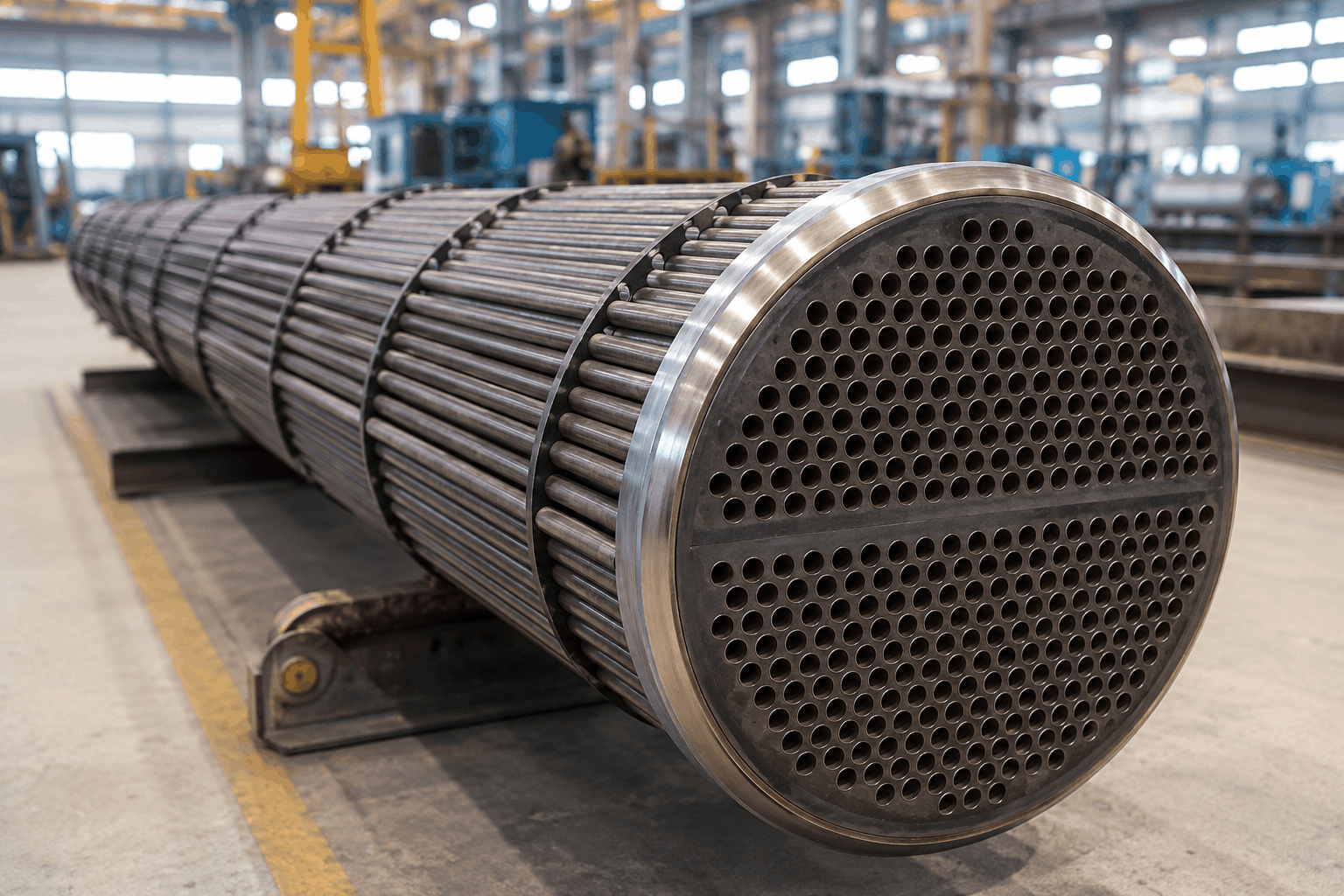
Used in the core bundle of shell-and-tube exchangers, moving heat between process fluids.
Condensers
Steam and vapour condense inside SA179 tubing, keeping heat rejection steady in condenser units.
Refineries
Refinery cooling circuits run on SA179 to manage temperatures across different stages of production.
Chemical Processing Plants
Reactors, coolers and process loops in chemical plants often use SA179 for stable heat transfer.
Petrochemical Industry
Heat recovery systems in petrochemical plants use SA179 where fluid pressure stays moderate.
Industrial Heat Transfer Systems
General heat transfer setups favour SA179 because it is easy to form and conducts heat well.
When Should You Choose ASTM SA210?
Go with ASTM SA210 for high-pressure boiler systems. Superheater applications need it too, since steam temperature there goes well past saturation point, and low-carbon steel would not hold up. Steam generation equipment in power plants usually runs above what SA179 tubing was ever meant to handle. If your project needs higher tensile strength for the long run, specify SA210 from the start. Trying to correct this later gets expensive.
Common Selection Mistakes to Avoid
A lot of buyers pick tubing based on price alone, without checking whether the material actually suits the operating conditions. That is one of the more expensive mistakes you can make. Ignoring pressure and temperature ratings is another, since undersized material fails before it should. Using SA179 where a boiler needs SA210, or the other way round, either wastes money or risks failure. And maintenance access gets overlooked too often during specification, which causes problems down the line that nobody sees coming until installation is already done.
Why Choose Piyush Steel for ASTM SA179 Tubes
Piyush Steel supplies ASTM SA179 tubing under ISO 9001:2008 certified quality control. We keep consistent stock for chemical, HVAC and refinery buyers, so lead times stay manageable. Delivery has stayed reliable across international orders since 1983. Our technical team helps confirm dimensional and material requirements before you place an order, which saves back-and-forth later. Breweries, fertiliser plants, and petrochemical units are among the sectors that source SA179 tubes from our stock regularly.
Conclusion
SA179 and SA210 share a seamless carbon steel base but do different jobs. SA179 suits heat exchanger and condenser work where formability and steady heat transfer matter most. SA210 is built for the pressure and temperature demands of boilers and superheaters. Check your operating pressure and temperature range before deciding. For specifications and current stock, visit Piyush Steel’s ASTM SA179 product page.