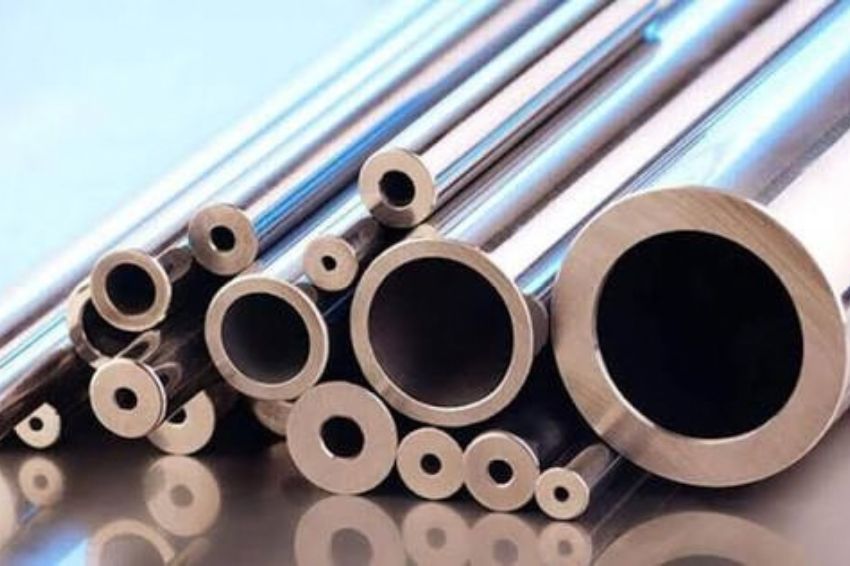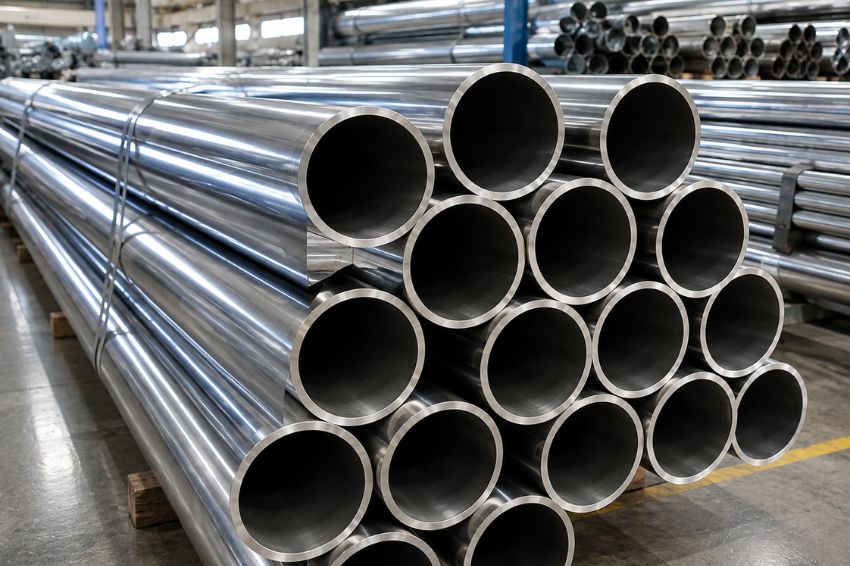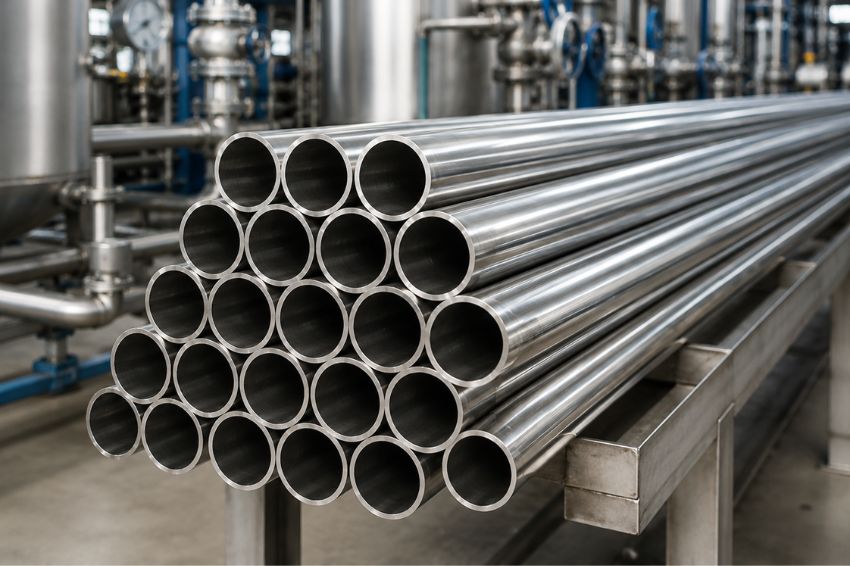
Stabilized austenitic stainless steel keeps refineries, fertilizer plants, and petrochemical units running at temperatures where ordinary grades fail. 347 Stainless Steel Tubing sits at the center of that reliability, due to niobium stabilization that prevents sensitization during welding. Selecting the right tubing affects corrosion resistance, high-temperature performance, and service life. Buyers must weigh chemical composition, dimensional accuracy, certification, and supplier track record before placing an order. This buyer’s guide for 347 Stainless Steel Tubing walks through each factor so procurement teams can make an informed purchase.
What Is 347 Stainless Steel Tubing?
It is a niobium-stabilised austenitic grade, built for sustained service above 800°C. During welding, niobium binds with the carbon in the steel, which stops chromium carbide forming at the grain boundaries. That is what causes problems in unstabilised grades. The result is decent weldability and good oxidation resistance. Chemical plants and boiler manufacturers use this grade because it keeps its strength and corrosion resistance after repeated heating and cooling cycles.
Why Material Selection Matters in Critical Process Industries
A corroded joint in a chemical plant can cause unexpected downtime. It can sometimes release something it should not. Reliability depends on the material choice at the start. Tubing rated for the actual operating temperature and process media keeps downtime lower and maintenance costs predictable. Plants that stick to certified, correctly matched tubing avoid the shutdowns that come from cutting corners on grade to save money upfront.
Buyer’s Guide to 347 Stainless Steel Tubing
Understand Your Application Requirements
Work out the operating temperature, pressure, process media and service environment first. This decides everything else.
Verify Material Grade and Specifications
Check that the tubing meets ASTM A213 or ASME SA213. Ask for material test certificates and check the chemical composition against the mill report yourself; do not just take it on trust.
Choose the Correct Tube Dimensions
Outside diameter, wall thickness, length, and schedule. All of it needs to match the application. Undersized walls will not hold the pressure rating you need.
Evaluate Corrosion and Heat Resistance Requirements
Look at what chemicals the tubing will actually be exposed to. Confirm oxidation resistance at the peak temperature it will see.
Check Manufacturing Quality
Dimensional accuracy, surface finish, weld quality on welded tubes, and the compliance paperwork. Check all of it before fabrication starts, not after.
Select a Reliable Supplier
Product quality matters, but so do stock availability, technical support, proper documentation and delivery that actually turns up on time.
Key Benefits of 347 Stainless Steel Tubing
A few reasons this grade gets specified so often:
- Handles high-temperature service above 800°C
- Corrosion resistance in acidic and oxidising media
- Holds up to oxidation resistance under repeated thermal cycling
- Welds well, often without needing post-weld heat treatment
- Lower risk of intergranular corrosion
- Long service life under high-temperature duty
- Retains strength at elevated temperatures
- Performs reliably through pressure cycling
- Needs little maintenance once installed
- Works for demanding process industries generally
Common Applications of 347 Stainless Steel Tubing
This grade shows up wherever heat and corrosion resistance both matter:
- Chemical processing plants dealing with aggressive acids
- Petrochemical facilities running high-heat conversion processes
- Refineries processing sulfur-bearing crude
- Power generation plants needing heat-resistant steam piping
- Heat exchangers exposed to repeated thermal cycling
- Boilers running at sustained high pressure
- Pressure vessels holding corrosive or high-temperature media
- Process piping carrying acidic or oxidising streams
- Fertiliser plants process ammonia and nitric acid
- High-temperature equipment needing stabilised tubing
Final Checklist Before Buying
Before you place an order, go through this:
- Material grade verified against the specification
- ASTM/ASME compliance confirmed on the mill certificate
- Tube dimensions matched to the drawing
- Pressure and temperature ratings checked
- Corrosion resistance assessed for the actual media
- Testing and certification documents filed
- Surface finish inspected against the order
- Supplier reputation checked through references
- Delivery schedule confirmed against the timeline
- Project specifications reviewed one more time before sign-off
Conclusion
Choosing the right 347 Stainless Steel Tubing depends on checking application requirements, material specifications, dimensions and supplier quality properly, not going with whatever is inexpensive. Getting it right can improve system reliability, reduce maintenance, and the tubing keeps performing over the long run in chemical, petrochemical and power generation systems. Piyush Steel supplies certified 347 stainless steel tubing, backed by ISO 9001:2008 certification, so buyers get material they can actually rely on for safe, efficient plant operation.