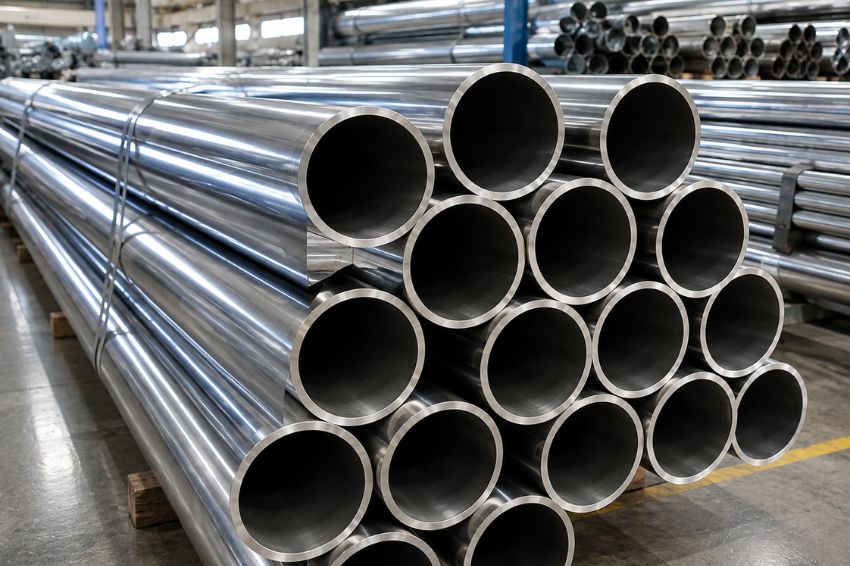
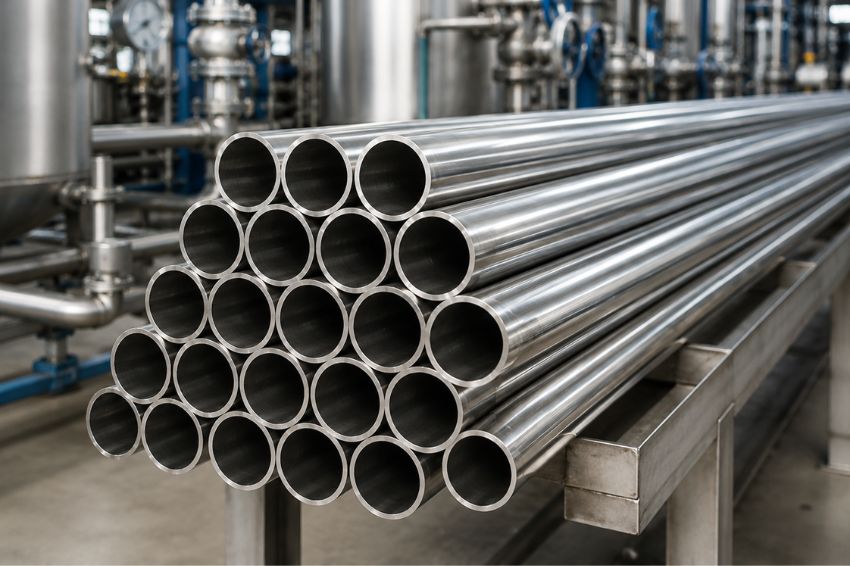
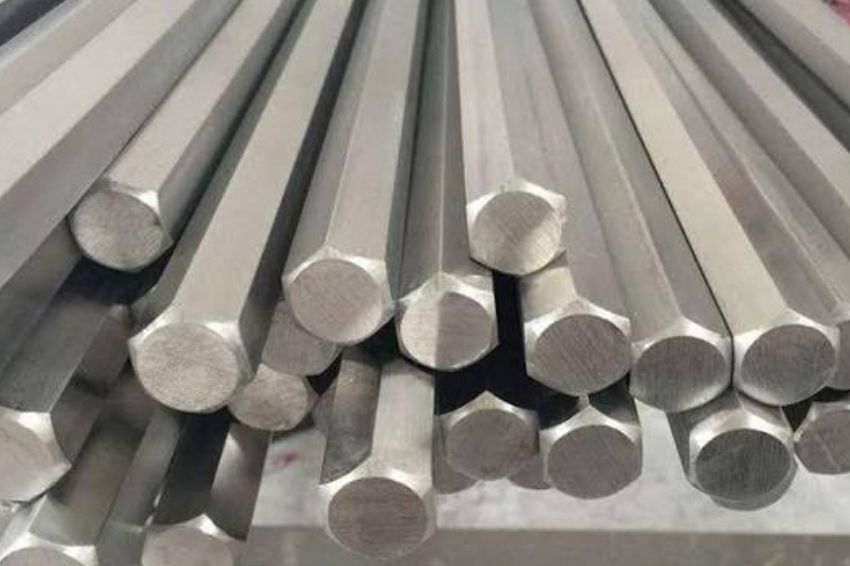
Seamless pipe and Normal (Welded) pipe are commonly used pipe when it comes to choosing pipes for industrial uses. Both of these types have specifice purposes and are widely used in many industries. Many people struggle to understand the key difference between the two types of pipe. With the help of this blog we will clarify the differences between a normal pipe and a seamless pipes by its advantages, applications and more.
What is a Seamless Pipe?
A seamless pipe is manufactured without it being welded or joint seams. These pipes are manufactured from a solid piece of steel that is extruded into a hollow tube under high pressure. By this process the pipe has uniform strength making it ideal for various applications like high pressure, temperature or corrosive substances.
Advantages of a Seamless Pipe
- Strength and Durability: The Seamless pipe has high tensile strength as it made from one-piece, by this potential weak points are eliminated which are usually present at welded joints making these pipes more durable and has less failure possibilities under stress or pressure.
- Uniformity and Consistency: The manufacturing process of seamless pipes makes sure of a uniform wall thickness which makes it more reliable and consistent in its performance and the distribution of material improves its structural integrity.
- Resistance to Corrosion: Seamless pipes are usually made of high-quality alloys which increases its corrosion resistance which is advantageous in harsh chemicals industries or applications which require these pipes to withstand moisture exposure.
- High-Temperature Resistance: These pipes can tolerate extreme temperatures better than welded pipes due to their seamless construction. They are more suitable for high-temperature applications where pipes need to endure intense heat without compromising their structural integrity.
Applications of Seamless Pipes
- Oil and Gas Industry: Seamless pipes are important in the oil and gas industry as it can transport crude oil, natural gas and other substances in high pressure. It as an ability to withstand extreme temperatures like high pressure and fluctuations in temperature, making it a preferred choice.
- Power Generation: These pipes are commonly used in power plants especially in the construction of steam lines, boiler tubes and other components.
- Automotive Industry: Alloy Steel P1 Seamless Pipes are used for its high performance parts like exhaust system, brake lines and engine parts. Its seamless structure has good resistance to high temperature and pressure which ensures durability and long life service in engine applications.
- Chemical and Petrochemical Industries: Seamless pipes have good resistance against corrosion and chemical substance in various industries like petrochemical processing where standard pipes will resist wear and damage.
- Construction and Structural Engineering: These pipes are widely used in structural contrustion purposes like support systems as it has an ability to go through high tensile forces.
What is a Normal Pipe?
Normal pipes are also known as welded pipes which are made by joining two edges of a metal sheet or strip through a welding process. These pipes are produced in bulk and can be manufactured in various materials like carbon steel or stainless steel. They are not as strong as seamless pipes but offer a more cost-effective solution for many applications.
Advantages of Normal Pipes
- Cost-Effective: One of the main advantages of normal pipes, or welded pipes, is their cost-effectiveness. The manufacturing process is simpler and less expensive than the seamless pipe process. This makes welded pipes a more budget-friendly option.
- Flexibility in Production: Normal pipes are produced in a wide variety of materials, including carbon steel, stainless steel, and other alloys, making them versatile and adaptable for numerous applications.
- Easy to Fabricate: Since normal pipes are welded, they can be easily fabricated into various shapes and sizes. This flexibility allows for customization and quick alterations, which can be essential in situations requiring specific dimensions or configurations.
- Widely Available: Normal pipes are readily available in most markets, making them an easy and convenient option for everyday plumbing or low-pressure systems.
Applications of Normal Pipes
- Water and Sewer Systems: Normal pipes are predominantly used for transporting water and sewage in municipal systems. The pipes are adequate for low-pressure systems like distributing water or carrying waste.
- HVAC Systems: Welded pipes are commonly found in HVAC (heating, ventilation, and air conditioning) systems, where they transport air or refrigerant. Since these systems don’t involve extremely high pressures, welded pipes can handle the task efficiently.
- Residential Plumbing: Normal pipes are used for plumbing in homes and commercial buildings. These pipes are usually sufficient for standard applications where pressure and temperature are not extreme. Welded pipes can also be used for hot water supply systems in residential construction.
- Agricultural Irrigation: Welded pipes are widely used in irrigation systems for agriculture, providing water to crops. Their cost-effectiveness and ability to handle moderate pressures make them a reliable solution for farming needs.
- Fire Fighting Systems: Normal pipes are often employed in fire protection systems. For sprinkler and hydrant lines, where the pressure and conditions are controlled, welded pipes are a viable and economical choice.
Key Difference Between Seamless and Normal Pipes
Manufacturing Process:
- Seamless Pipe: Produced from a solid piece of metal, which is heated and stretched into a hollow shape. No welding is involved, which results in a pipe with greater uniformity and strength.
- Normal Pipe: Produced by welding a metal sheet or strip along its edges. The welding process introduces potential weak points along the seam, which may compromise the pipe’s strength.
Strength and Durability:
- Seamless Pipe: The absence of welded joints means seamless pipes have greater tensile strength and are more durable under high-pressure and high-stress conditions. They are less likely to fail or deform compared to welded pipes.
- Normal Pipe: While sufficient for lower-pressure systems, normal pipes are generally weaker due to the welded seams. These seams can be stress points, making them less suitable for critical applications.
Pressure Rating
- Seamless Pipe:
- Seamless pipes can handle significantly higher internal and external pressures. Due to their continuous structure without welded seams, they are ideal for high-pressure systems, such as those found in chemical plants, hydraulic systems, and high-pressure pipelines.
- Normal Pipe:
- Normal pipes have lower pressure ratings because of the welded seam. The seam can act as a weak point under high pressure, making these pipes less suitable for high-pressure environments where pressure fluctuations can be frequent and intense.
Structural Integrity
- Seamless Pipe:
- The uniform structure of a seamless pipe ensures consistent thickness and strength across the entire length of the pipe. This means there are no weak spots along the length of the pipe, offering enhanced resistance to external stress and internal pressure. Seamless pipes are ideal for applications where high strength and safety are paramount.
- Normal Pipe:
- The welded seam in normal pipes can potentially create weak points that might be vulnerable to stress or corrosion. While welded pipes are adequate for many low-pressure applications, they may not perform well in high-stress environments, making them more prone to failure under extreme conditions.
Conclusion
Both seamless pipes and normal pipes have their place in industrial applications. The choice between the two depends on the nature of the project, the conditions the pipes will face, and the budget available. Alloy Steel P1 Seamless Pipes, for instance, offer unmatched performance in demanding applications, while normal pipes can be more than adequate for less critical uses.