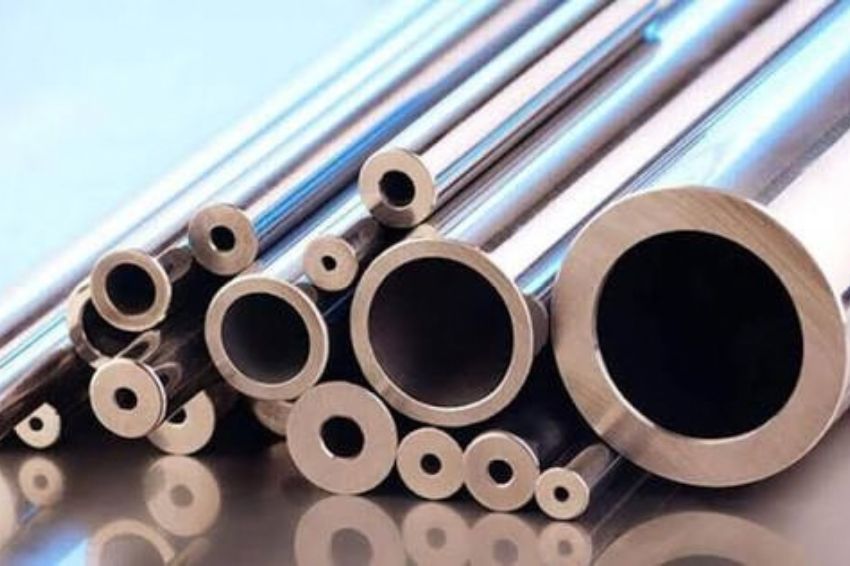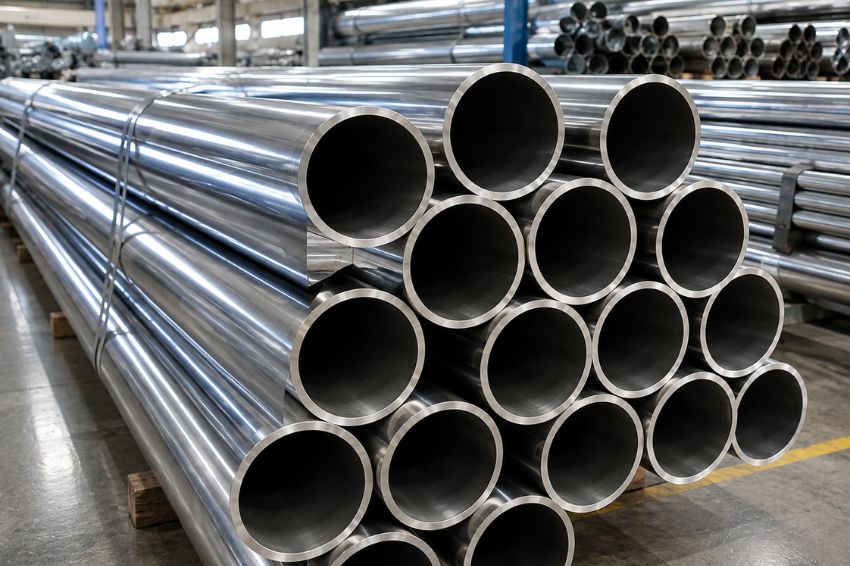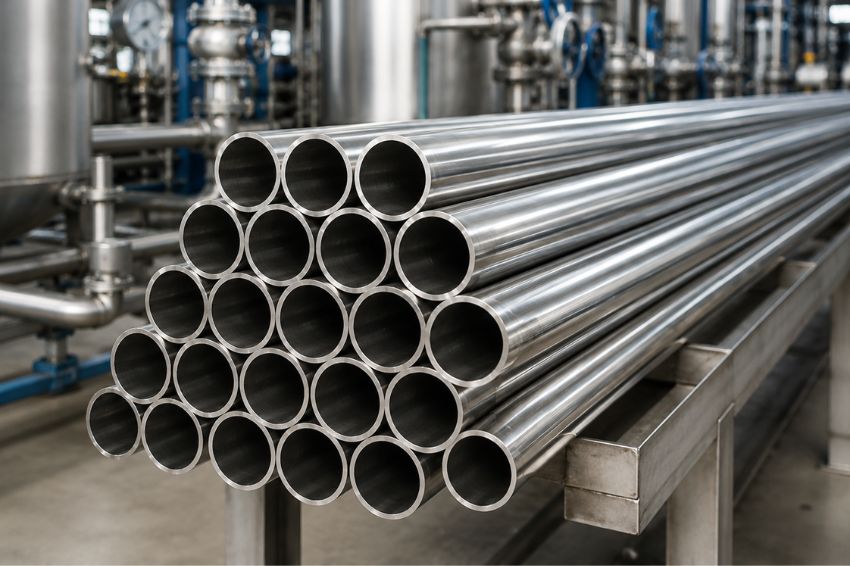
Duplex and super duplex stainless steel tubes are mechanically strong and corrosion-resistant, but they are not interchangeable. Duplex grades perform reliably in demanding service. Super duplex grades push this further, specifically developed for more aggressive environments where exposure to chlorides, pressure and temperature push the limits of standard alloys. There are four factors to consider in choosing between them: corrosion resistance, strength, operating temperature and the requirements of the particular application.
What Are Duplex and Super Duplex Tubes?
Duplex stainless steel derives its name from its microstructure, which consists of about equal proportions of austenitic and ferritic phases. The duplex structure gives duplex tubes greater strength than austenitic grades such as 304 or 316 and better resistance to stress corrosion cracking. Super duplex tubes are built on this base with higher additions of chromium, molybdenum, and nitrogen. That richer alloy content raises the pitting resistance equivalent number, which translates directly into better performance in aggressive, chloride-heavy environments where standard duplex would eventually degrade.
Super Duplex Tubes vs Duplex Tubes: Key Differences
Four properties separate these two families in practical terms: how they resist corrosion, how much load they can bear, how they respond to chlorides, and where each one holds up longest.
Corrosion Resistance
Duplex tubes resist general corrosion, pitting, and crevice attack well enough for most chemical and industrial service. Super duplex raises that ceiling through higher molybdenum content, making it the preferred choice for marine platforms, seawater systems, and aggressive chemical processing where duplex would show earlier signs of surface attack.
Strength and Mechanical Performance
Both grades exceed the yield strength of standard austenitic stainless steels by a wide margin. Duplex tubes typically offer a minimum yield strength of around 450 MPa. Super duplex tubes push past 550 MPa, which allows thinner wall sections in pressure-containing systems without sacrificing structural integrity.
Resistance to Chloride and Stress Corrosion Cracking
Chloride ions drive pitting and stress corrosion cracking in offshore and seawater applications, and duplex grades handle moderate chloride levels without issue. In high-chloride conditions such as deep seawater injection lines or brine handling, super duplex tubes maintain integrity where duplex alloys begin to show localised attack over time.
When Are Duplex Tubes a Better Choice?
Duplex tubes suit applications where corrosion and strength demands are real but not extreme. Process piping, heat exchangers, chemical processing lines and general industrial systems fall into this category, where duplex delivers dependable service without the added alloy cost of super duplex. This makes it a practical balance between performance and budget for many mid-range environments. The right choice always depends on actual site conditions, chloride levels, temperature and pressure, rather than defaulting to the higher grade out of caution.
When Should You Choose Super Duplex Tubes?
Super duplex tubes for demanding applications become the clear choice once seawater exposure, high chloride concentration, aggressive chemicals, or heavy mechanical loads enter the picture. Offshore platforms, desalination plants, marine piping systems, chemical processing equipment, and oil and gas installations all operate under exactly these conditions, where a standard duplex tube would face a shorter service life. Super duplex extends that lifespan considerably, reducing the risk of premature failure in systems that are expensive and disruptive to shut down for repair. In these settings, the higher material cost is offset by fewer replacements and less unplanned downtime over the life of the installation.
Factors to Consider Before Selecting the Material
Material selection should follow the actual operating conditions rather than assumptions about which grade is safer. Review the following before finalising a specification:
- Operating temperature range
- Pressure requirements of the system
- Chloride concentration in the process or environment
- Chemical exposure and media compatibility
- Overall corrosion conditions at the installation site
- Required mechanical strength for the application
- Applicable ASTM or ASME specifications
- Fabrication and welding requirements for the chosen grade
Conclusion
Neither material is universally better. Duplex tubes suit demanding but relatively moderate environments where cost and performance need to stay balanced. Super duplex tubes are the stronger choice for highly corrosive, chloride-rich, high-pressure, and severe industrial conditions. The right decision comes from matching the tube grade to the specific operating environment, not from picking the higher-alloy option by default. Piyush Steel manufactures and supplies duplex, super duplex and stainless steel pipes and tubes to customers across India and international markets.