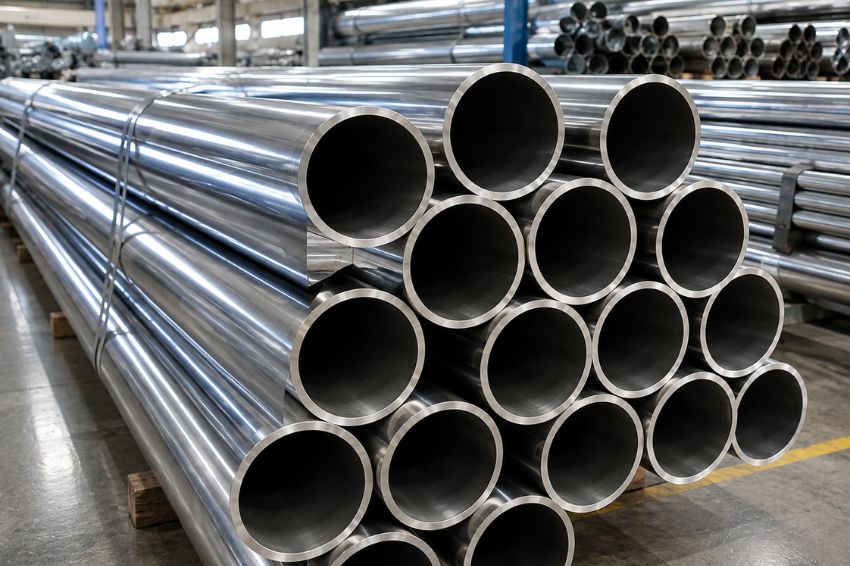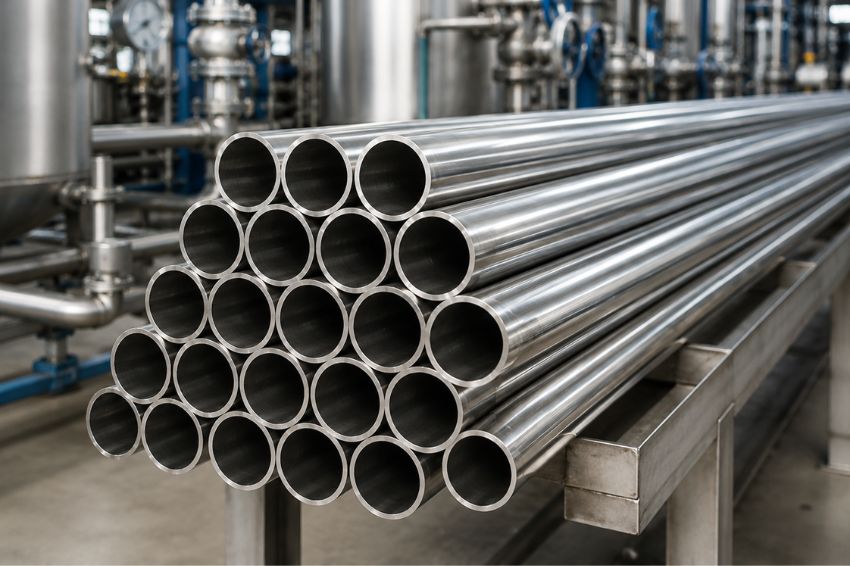
In the world of contemporary architecture and interior design, few materials have achieved the versatility, durability and sleek appeal of stainless steel. Among the many forms in which stainless steel is utilized, SS tubes stand out as a cornerstone element, especially in furniture, railings and other architectural components.
Whether it’s the minimalistic lines of a staircase railing, the seamless structure of a chair, or the bold framework of a commercial canopy, stainless steel tubes combine strength and beauty in equal measure. In this blog, we discuss the reasons why SS tubes are now a key aspect of today’s design and how they continue to shape our homes and workplaces.
Why Stainless Steel?
Stainless steel is essentially an iron alloy containing a significant percentage of chromium (typically at least 10.5%) that provides it with outstanding resistance to corrosion. Its properties make stainless steel ideal for indoor and outdoor use. It doesn’t rust, warp or stain easily, ensuring that your designs stand the test of time.
Applications in Furniture
Modern furniture design demands a blend of form and function, and SS tubes fulfill both criteria.
1. Contemporary Style
Stainless steel tubes lend themselves well to minimalist and industrial aesthetics. Chairs, stools, benches, tables, and bed frames constructed from SS tubes have clean lines and a futuristic appearance that appeals to modern tastes. Tubes may be treated to a mirror polish to create a smooth, luxurious appearance or treated to a brushed finish to create a smooth and modernistic look.
2. Structural Integrity
SS tubes are incredibly strong relative to their weight. This means that furniture can be designed to be lighter yet still maintain structural rigidity. This is particularly advantageous for portable or foldable furniture, often used in commercial settings such as offices, hospitals, and cafes.
3. Resistance to Wear
In contrast to wood or plastic, stainless steel is not prone to degrade under normal wear and tear. It’s well suited for high-traffic, high-use applications. Moreover, its lack of pores makes it hygienic as well as simple to sanitize which makes it a great option for healthcare or kitchen furniture.
SS Tubes in Railings
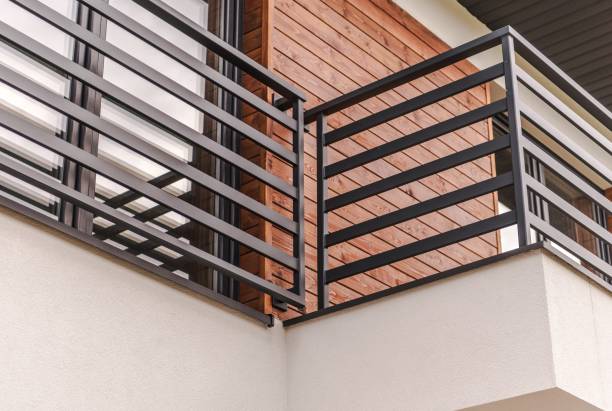
Railings serve both safety and aesthetic functions in architecture, and stainless steel tubes excel in both roles.
1. Safety First
SS tube railings are strong and can withstand significant impact and pressure. They are therefore suitable for use in staircases, balconies, footbridges, and other elevated applications. Their heavy load-carrying capacity prevents injuries to users in private and public places.
2. Versatility in Design
With improvements in fabrication, SS tubes can be bent, welded and shaped into different forms—round, square, rectangular, or even elliptical—so that architects can realize their own special railing designs. Tubular railings can have glass panels, wood inserts or LED lights to produce distinctive design elements.
3. Weather Resistance
In the case of outdoor railings, environmental conditions like rain, sun, and snow can be severe. 310 Stainless Steel Tubes handle these conditions with ease, with its presence of additional molybdenum it provides excellent resistance to chlorides, and hence ideal for coastal or poolside applications.
Architectural Elements and Decorative Uses
SS tubes go far beyond furniture and railings. They play a pivotal role in numerous architectural applications:
1. Structural Frameworks
Stainless steel tubes are often utilized as a framework structure in contemporary architecture, particularly for canopies, pergolas, greenhouses, and bus shelters. Due to their lightweight strength-to-weight ratio, they are best suited for carrying loads without adding weight.
2. Facades and Cladding
Tubes arranged in geometric patterns can form part of a building’s façade, providing both visual interest and functional shading. They can also be used as horizontal sun-breakers or brise soleil systems.
3. Art Installations and Signage
Due to their aesthetic value, SS tubes find widespread usage among designers and artists to use in installations in shopping malls, public spaces, lobbies and gardens. The use of lasers for fabrication and cutting allows one to obtain fine patterns and intricate geometries.
Conclusion
From the sleek legs of a designer chair to the sturdy railings lining a grand staircase, stainless steel tubes are the silent champions of modern design. They bring together engineering excellence and aesthetic sophistication in a single, powerful package.
No matter if you are an architect, interior designer, or project manager, knowing the versatility and advantages of SS tubes will enable you to make better choices for your next furniture collection, commercial construction, or decorative piece.
By leveraging the strength, style and sustainability of stainless steel tubing, we build not just with metal but with the promise of longevity, innovation, and elegance.