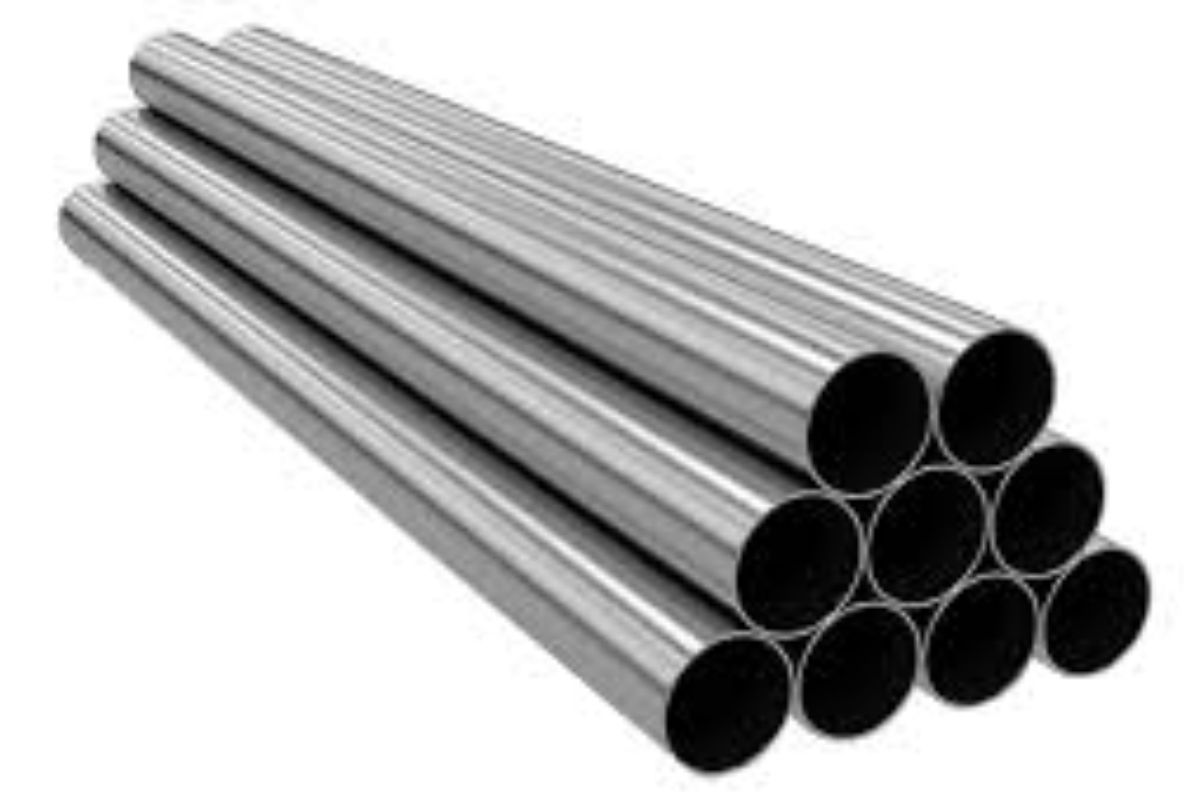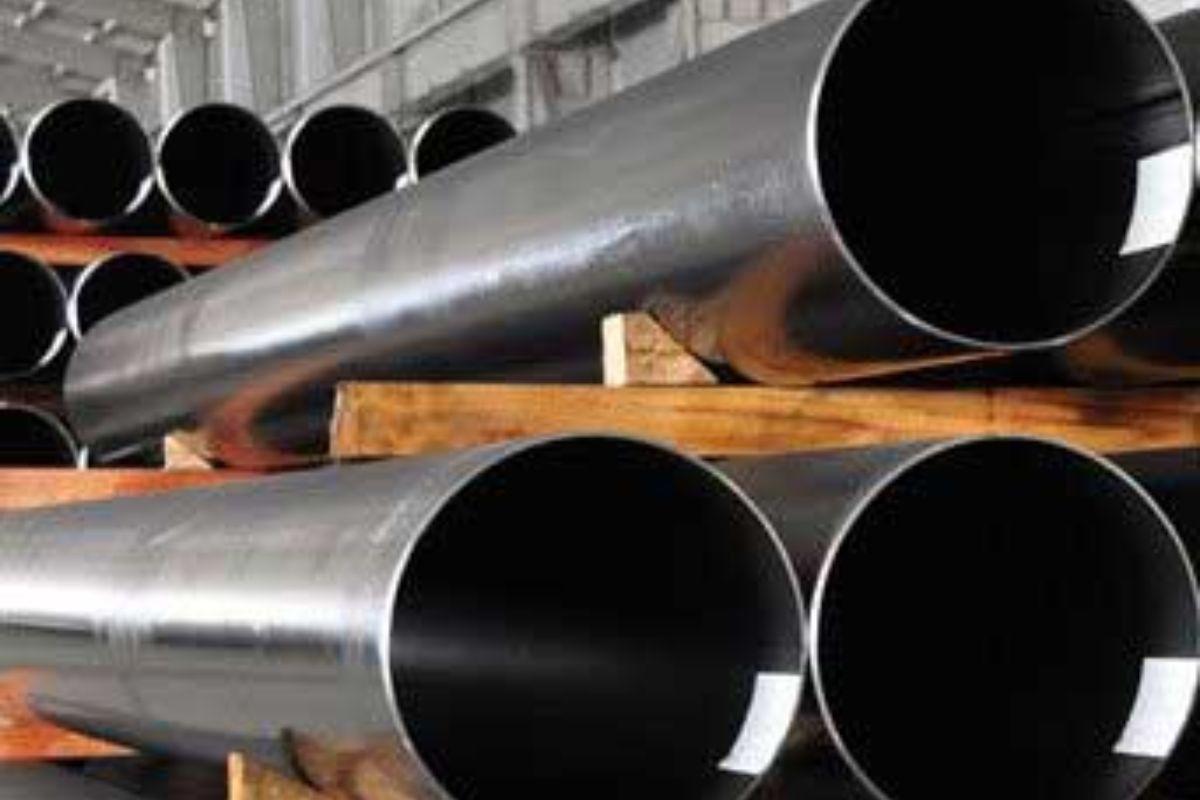
Choosing the correct pipe material selection is key in tough industries. For oil and gas pipes, chemical processing, and marine applications, the wrong choice can be costly. Picking the wrong material leads to major risks. These include corrosion, pipeline failure, fluid leakage, expensive downtime and serious safety hazards. The pipeline materials used in the oil & gas, chemical, and marine sectors must handle extreme conditions. They need specific performance capabilities to ensure reliable operation.
Key Factors to Consider Before Selecting Pipe Material
Selecting the perfect pipe material means looking closely at the job it needs to do. Each factor below is critical for long-term success and safety.
Operating Temperature & Pressure
Oil & gas operations often have very high-temperature and high-pressure environments. These extreme conditions greatly affect the pipe material’s strength. A material that is weak at high temperatures will fail sooner. This factor is critical for long-term reliability and safe performance.
Corrosion Resistance Requirements
Pipes face different types of corrosion depending on the industry. Chemical plants expose pipes to harsh acids and alkalis. Marine piping materials constantly deal with corrosive saltwater. Oil and gas pipes can face “sour service” conditions due to the presence of hydrogen sulfide (H2S). Strong corrosion resistance is a non-negotiable requirement.
Type of Fluid Media
The substance flowing through the pipe—the fluid media must be compatible with the pipe material. This could be hydrocarbons, seawater, steam, strong acids, or alkalis. Using the wrong alloy can cause a rapid reaction or breakdown of the metal. Compatibility charts are essential before finalizing any material.
Mechanical Strength & Durability
Pipes must be physically strong to handle their environment. They need high fatigue resistance to withstand constant stress from flow or pressure changes. If solids are in the fluid, the material needs good abrasion resistance. The pipes also need good weldability for proper installation and repair.
Industry Standards & Certifications
The safety and integrity of industrial piping systems are governed by strict rules. You must comply with standards from groups like API, ASTM, ASME, and NACE. For example, pipelines in sour service must meet NACE MR0175. This compliance is not optional; it is a legal and safety requirement for all projects.
Budget & Lifecycle Cost
The material’s initial purchase price is only part of the story. You must consider the total lifecycle cost. A cheaper pipe that needs replacement or repair every few years costs more in the long run. Investing in better materials, like duplex pipes, reduces failure risks and long-term maintenance costs.
Common Pipe Materials Used in Oil & Gas, Chemical, and Marine Industries
A variety of materials are available for tough industrial jobs. Each one offers a different balance of cost, strength, and resistance
1. Carbon Steel Pipes
Carbon steel pipes are a strong and affordable choice. It is widely used for major oil and gas pipelines. However, it is not suitable for corrosive or marine environments unless a protective coating is applied. Without protection, it rusts quickly.
2. Stainless Steel Pipes
Stainless steel pipes offer excellent general corrosion resistance. Grades like SS 304, SS 316, and SS 316L are very popular. They are ideal for many applications in chemical processing and areas with light marine exposure. Their high durability makes them perfect for various corrosive fluids.
3. Duplex & Super Duplex Stainless Steel
Duplex pipes and super duplex steel provide a powerful combination. They have superior strength and outstanding corrosion resistance. They are especially good at resisting chloride stress corrosion cracking. This makes them the top choice for offshore oil rigs and subsea pipelines in severe marine applications.
4. Alloy Steel Pipes
Alloy steel pipes are made to perform well in high-pressure and high-temperature services. You find them often in refineries and power plants. Grades like P11, P22, and P91 are used when carbon steel is not strong enough for the heat and pressure.
5. Nickel & High-Performance Alloys
Materials like Inconel, Hastelloy, and Monel are used for the most aggressive jobs. They offer the best defense against extreme corrosion and very high temperatures. They are the ideal material for highly aggressive chemicals and critical seawater systems where nothing else will last.
6. PVC, CPVC, FRP & HDPE
These materials (like plastics and fiberglass) are used for low-pressure, non-corrosive fluid handling. You may see them in simple chemical transfer lines or marine bilge systems. They are much cheaper but have far lower strength and temperature limits than metals.
Material Selection for Each Industry
The right pipe material changes drastically based on the industry’s specific challenges.
Oil & Gas Industry
This sector needs high-temperature, high-pressure, and highly corrosion-resistant pipes. Common choices are Carbon steel (API 5L), Alloy steel pipes, Duplex steel, and Inconel for the most extreme environments.
Chemical Industry
Chemical processing involves handling highly corrosive media. Reliable choices are Stainless Steel SS 316/316L, Duplex pipes, Super Duplex, Hastelloy, and Titanium. The choice depends entirely on the specific chemical being handled.
Marine & Offshore Applications
These systems face continuous saltwater exposure and high mechanical stress. Best practices call for Super Duplex, Monel, Copper-Nickel alloys, and Stainless steel pipes (316L) for less critical systems.
Comparison Table
A quick look at how major industrial piping systems materials stack up can guide your initial selection.
| Material | Corrosion Resistance | Temperature Range | Pressure Rating | Cost | Typical Applications |
| Carbon Steel | Poor (requires coating) | Low to Medium | High | Low | Main Oil/Gas Pipelines, General Service |
| Stainless Steel (316L) | Excellent | Medium | Medium to High | Medium | Chemical Plants, Light Marine Exposure |
| Duplex Steel | Superior | Medium | High | High | Offshore Rigs, Subsea Pipelines |
| Alloy Steel (P-grades) | Medium | High | High | Medium | Refineries, High-Temp Power Plants |
| Nickel Alloys | Extreme | Very High | High | Very High | Highly Aggressive Chemicals, Extreme Marine |
Practical Tips for Selecting the Right Material
Following a few simple steps can ensure you make the best choice for your project.
- Always check the required corrosion allowances for the service life.
- Consider long-term maintenance needs and ease of repair for the material.
- Verify that the materials meet all necessary certifications (e.g., NACE MR0175, API).
- Consult detailed material compatibility charts for the exact fluid media.
- Work with trusted suppliers for material authenticity and traceability.
Conclusion
Choosing the right pipeline materials is the single most important decision for your project’s future. It directly impacts safety, reliability, and long-term financial performance. The technical demands are unique for oil and gas pipes, the chemical industry, and marine piping materials. What works for one industry might quickly fail in another. Never compromise on material quality to save money upfront. When faced with complex environments, it is always wise to consult a pipe material selection expert.