The United State’s oil and gas sector is massive, spanning from the plains of Texas to the waters of the Gulf. To keep this engine running, the country needs a vast network of infrastructure. This network relies on parts that can handle intense stress every single day.
Pipelines are the lifelines of this industry. Moving oil and gas requires materials that do not fail. High-quality parts ensure that resources travel safely from the ground to the refinery. Because the stakes are so high, the USA invests heavily in the best materials available. Stainless Steel Seamless Pipes have become the gold standard for these demanding jobs.
What Are Stainless Steel Seamless Pipes?
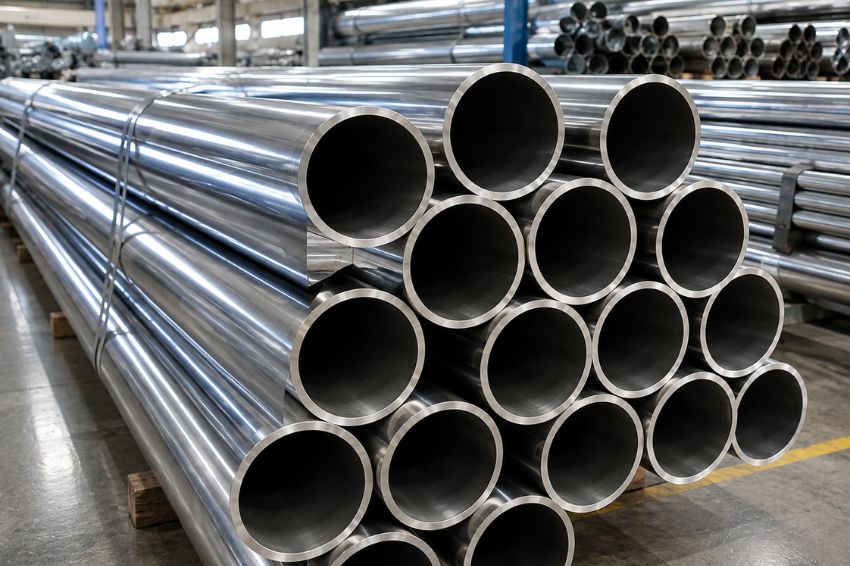
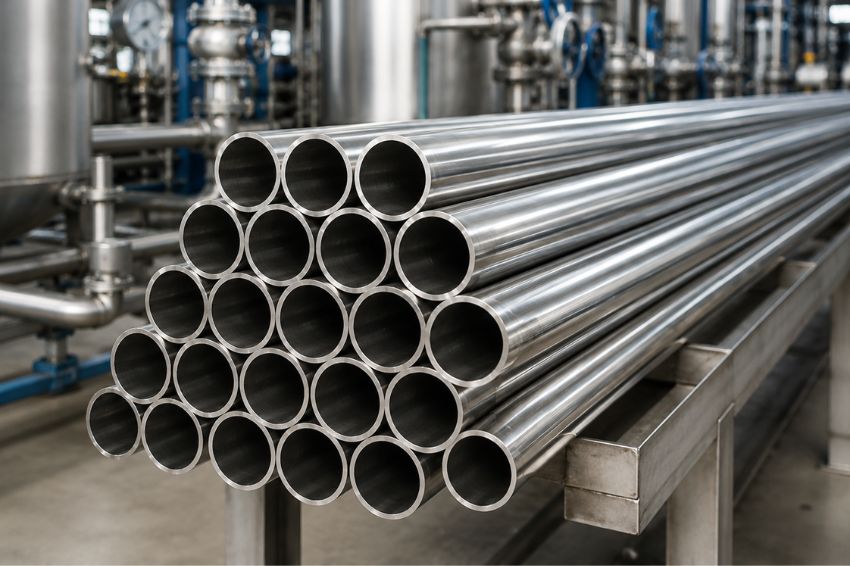
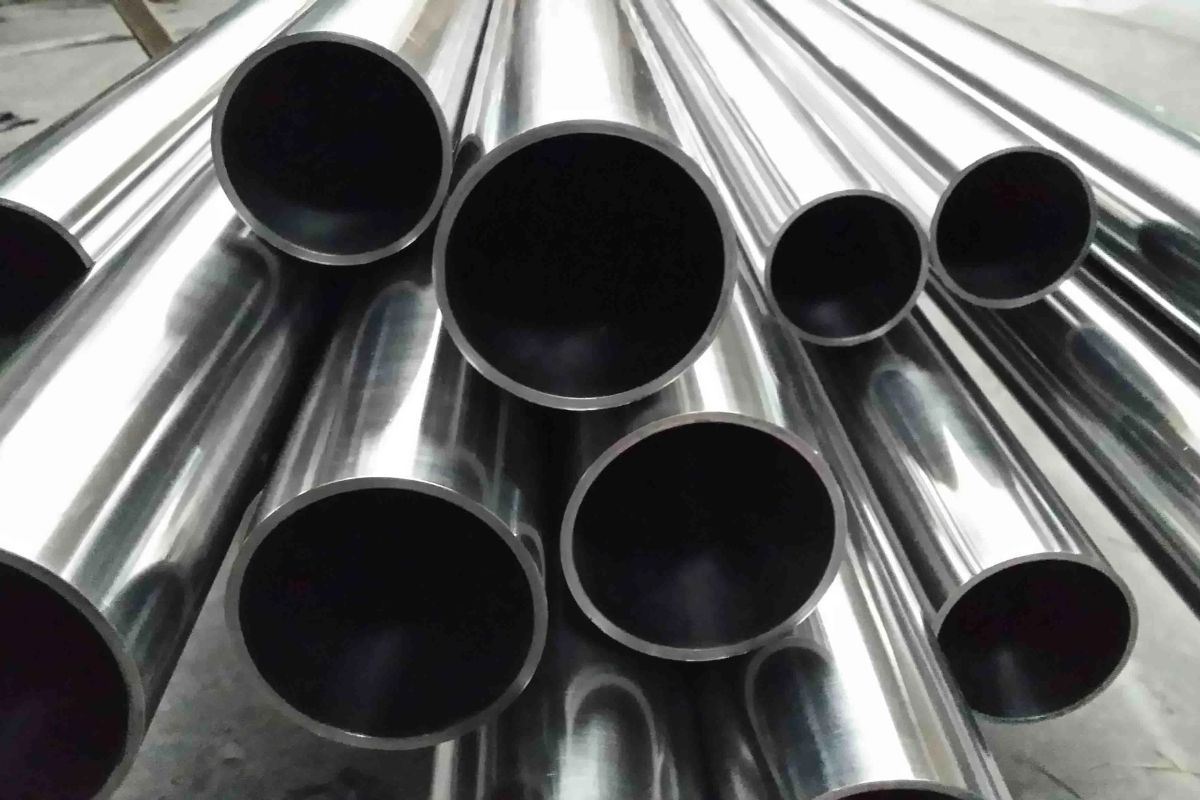
Seamless pipes are made from a solid round steel billet. This billet is heated and pushed or pulled over a form until the steel is shaped into a hollow tube. Unlike other pipes, they do not have any joints or welds along their length. This solid structure makes them much stronger than pipes made from folded sheets of metal.
Welded pipes have a seam, which can be a weak point under pressure. Seamless versions remove this risk. In the oil and gas sector, most projects follow ASTM standards like ASTM A312 or A790. These rules ensure the metal can handle heat and chemicals. Engineers often choose Stainless Steel 304 Pipes for their balance of strength and cost.
Why the USA Consumes the Most SS Seamless Pipes
Extensive Oil & Gas Infrastructure
The United States has the most pipelines in the world. Drilling sites are connected to storage tanks and refineries by thousands of miles of pipe. Because of this huge footprint, new buildings and repairs are always needed. As the network is so large, the volume of steel needed is higher than in any other nation.
High Demand for Durability and Reliability
Oil and gas are often found in harsh places. The pipes must fight off rust from salt water and chemicals. They also have to stay strong when the pressure inside gets extremely high. Using stainless steel ensures the pipes don’t crack or leak, preventing costly shutdowns.
Stringent Safety and Regulatory Standards
US laws regarding the environment and worker safety are very strict. Various agencies prefer the companies to use the safest materials. Stainless steel meets these high bars because it is less likely to fail. Choosing top-tier pipe helps companies avoid big fines and accidents.
Technological Advancements in the USA
American energy companies use the latest drilling methods. These new ways of getting oil often involve higher heat and more corrosive fluids. Modern rigs need advanced materials to stay efficient. The shift toward better technology naturally leads to a higher use of seamless stainless steel.
Advantages of Stainless Steel Seamless Pipes in Oil & Gas
Long service life and durability: These pipes can last for decades. They do not wear down quickly, even with constant use. This longevity makes them a smart long-term investment for big projects.
Corrosion and chemical resistance: Sulphur and other harsh chemicals are in oil. Chromium is in stainless steel which makes a protective layer. Over time, this layer keeps the metal from rusting or pitting.
High pressure and temperature tolerance: Deep wells are hot and under intense pressure. Seamless pipes have uniform walls that won’t burst. They keep their shape and strength when things get hot.
Reduced maintenance costs: Since these pipes don’t rust easily, crews don’t have to fix them as often. Companies save money on labor and replacement parts. Fewer repairs also mean more time spent producing energy.
Applications in the Oil & Gas Industry
Crude Oil Transportation
Getting raw oil from the wellhead to the refinery is a tough task. The oil is often thick and full of grit. Seamless pipes move this heavy fluid over long distances without breaking. Their smooth inner surface also helps the oil flow more easily.
Natural Gas Distribution
Natural gas is kept under high pressure to move it through the lines. Any leak can be dangerous and expensive. Seamless pipes offer the best seal and strength for gas lines. They are used in both large transmission lines and smaller local pipes.
Offshore and Refinery Operations
Offshore rigs sit in salty ocean air, which eats away at regular steel. Refineries use heat to break down oil into gas. Both environments are brutal on equipment. Stainless steel pipes are the only choice that can survive these conditions for a long time.
Comparison with Other Pipe Materials
Mild Steel vs. Stainless Steel
Mild steel is affordable at first, but it rusts quickly. It needs coatings or paint to stay protected. Stainless steel is tougher and stays clean on its own. While it costs more upfront, it saves money over time because it doesn’t need to be replaced.
Seamless vs. Welded Pipes
Welded pipes are fine for low-pressure jobs like moving water. In oil and gas, though, the pressure is too high for seams. Seamless pipes are more reliable because they are one solid piece. They offer better peace of mind when moving flammable liquids.
Conclusion
The USA leads the world in using these pipes because it prioritizes safety and long-term value. With a massive infrastructure and strict laws, low quality materials simply won’t cut it. Using high-grade steel ensures that the energy sector stays productive and safe. Offering these strong materials is important for the industry to keep moving forward. The need for these strong reliable pipes will only grow as the demand for energy grows.