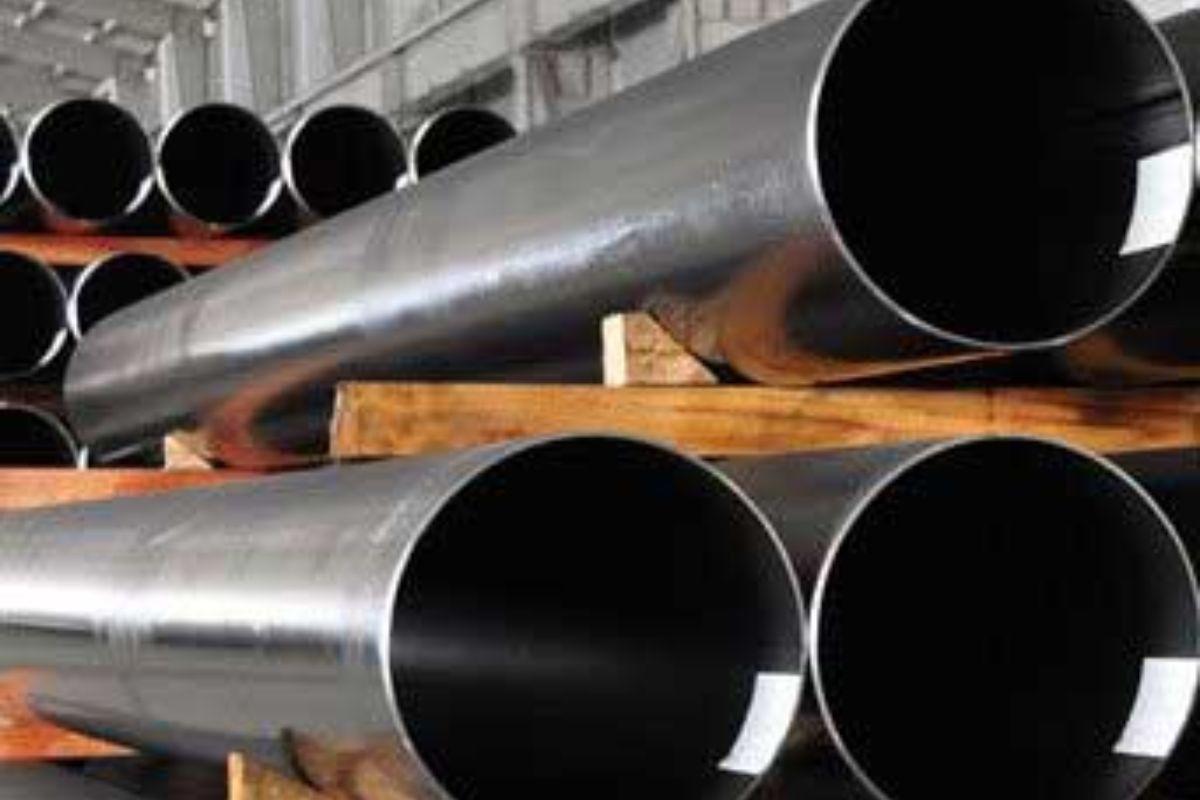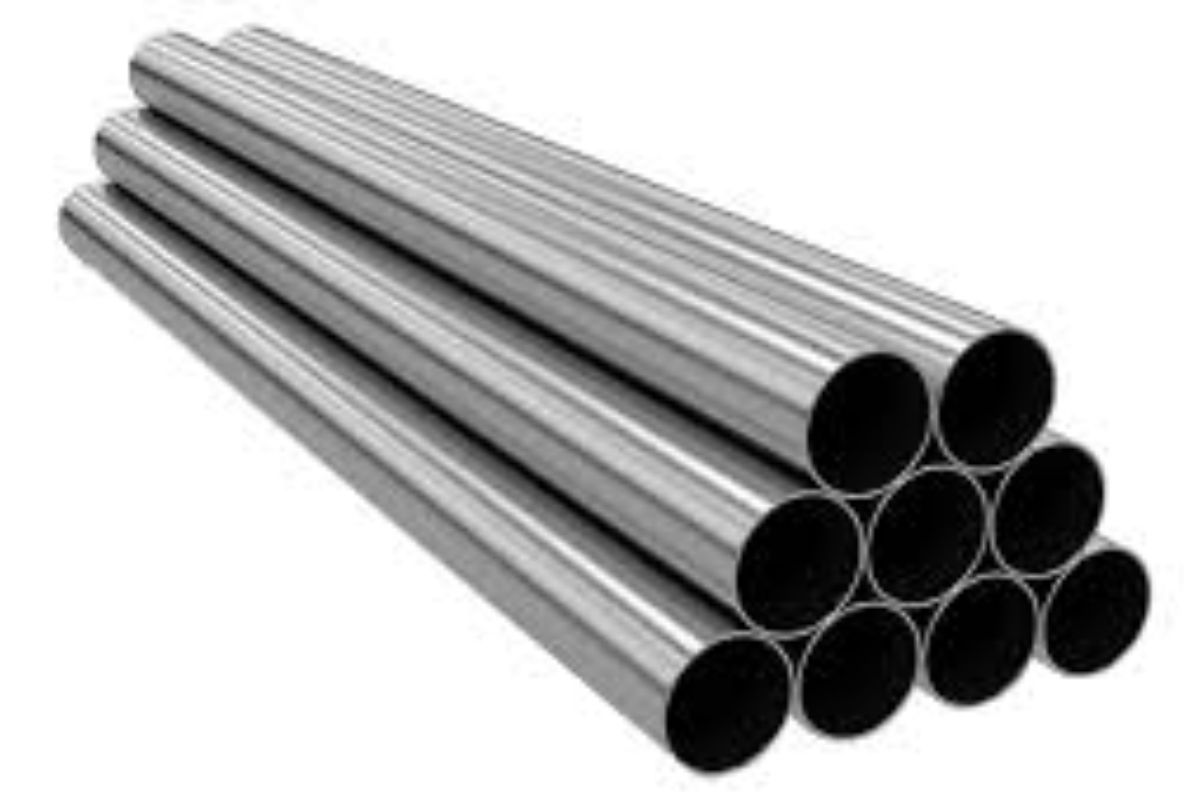
Industrial systems depend on pipes. They carry water, oil, steam, gas and chemicals through machines and plants. If a pipe fails, the entire operation can slow down, or shut down. So the type of pipe you choose matters a lot. Most industries rely on two main options: seamless pipes and welded steel pipes. Each comes with its own strengths, limits, and best-use cases. This guide breaks down the difference between seamless and welded pipes in simple terms, so you can pick the one that fits your job.
What Are Seamless Pipes?
Seamless pipes begin as a single, solid steel billet. The billet gets heated until it’s soft enough to shape. It’s then pierced at the center and pulled or rolled into a hollow tube. The process often done through rotary piercing and extrusion creates a pipe with no weld seam anywhere along its length. Because the body is formed from one piece of steel, it stays uniform and strong. These pipes handle high pressure and heat without losing stability. You’ll find them in carbon steel, stainless steel, and alloy steel grades. Industries use them in boilers, oil and gas lines, heat exchangers, and hydraulic equipment where failure is not acceptable.
What Are Welded Pipes?
Welded pipes start as flat steel plates or coils. The material is shaped into a round form and joined at the edges. This joint forms the weld seam. The seam can be made in different ways like ERW, EFW, HFW, or SAW depending on the thickness and application. Modern welding gives the seam solid strength, even though it stays visible. Welded pipes cost less to produce and are easier to source in larger diameters. Their material options are wide which makes them a common pick for construction, water pipelines, and general structural work.
Seamless vs Welded Pipes: Key Differences
Both types serve different needs. Knowing where they differ helps you make a smarter choice.
| Feature | Seamless Pipes | Welded Pipes |
| Manufacturing Process | Piercing and extrusion | Forming and welding |
| Strength & Pressure Handling | Strong for high-pressure use | Good for low to medium pressure |
| Corrosion Resistance | Better since there is no seam | Needs care at the seam |
| Dimensional Accuracy | Fair but varies by size | Very accurate and consistent |
| Cost & Availability | Higher cost, limited sizes | Low cost, widely available |
| Surface Finish | Smooth inner finish | May need extra finishing |
| Size Range | Best for small to medium sizes | Ideal for large diameters |
| Testing & Quality Checks | Standard tests for strength | Extra tests for the weld seam |
Advantages of Seamless Pipes
Seamless pipes work well when pressure, heat, or dependability are most important.
- High pressure and high-temperature capability: They can handle high pressure and high temperatures, and they retain their shape even when they are under a lot of stress.
- Better reliability for critical applications: No seam reduces the chance of weak points.
- Superior corrosion resistance due to no welded seam: The smooth body slows down corrosion.
- Smooth internal surface improves flow: Fluids move with less drag.
- Ideal for boilers, heat exchangers, oil & gas, hydraulics: These systems need steady and safe performance.
Advantages of Welded Pipes
Welded pipes offer great value and flexibility across many industries.
- More economical and widely available: They fit tight budgets and come in many sizes.
- Excellent dimensional accuracy: The forming process keeps the pipe shape steady.
- Suitable for large diameters: Easy to produce in bigger sizes.
- Good performance in low to medium pressure applications: Works well for standard use.
- Common in construction, water pipelines, structural uses: Ideal where strength and size matter more than pressure.
Which One Should You Use?
Choosing between seamless and welded pipes depends on what your system demands. Think about how much pressure the line will see, how hot the fluid gets, and how critical the system is. Also consider cost, pipe size, and how fast you need material.
Choose Seamless Pipes When:
- The system runs under high pressure.
- The temperature is high and steady strength is needed.
- The job is critical and small failures are not acceptable.
- You’re working with hydraulic or boiler lines.
Choose Welded Pipes When:
- You need a cost-friendly option that still performs well.
- Large pipe diameters are needed for the job.
- The system runs at low or medium pressure.
- The pipes will be used for structural or fabrication work.
Conclusion
Both seamless pipes and welded steel pipes work well, but they excel in different situations. Your choice will depend on the size, heat, pressure, and budget of your project. Seamless pipes are strong and dependable, even in tough situations. For everyday use, welded pipes are a useful and inexpensive choice. If you need help choosing or want to know how much it costs, please ask for a quote.